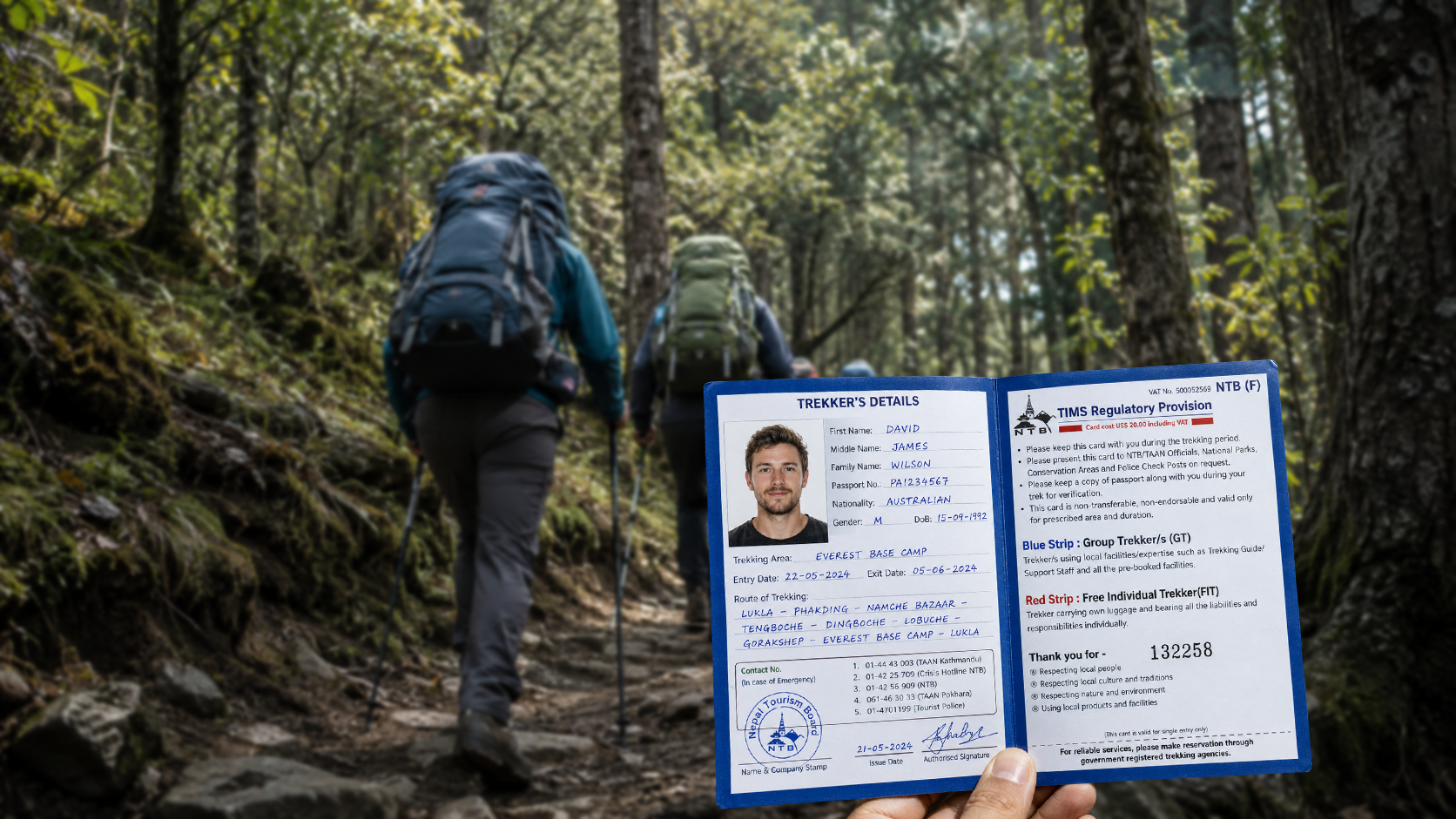
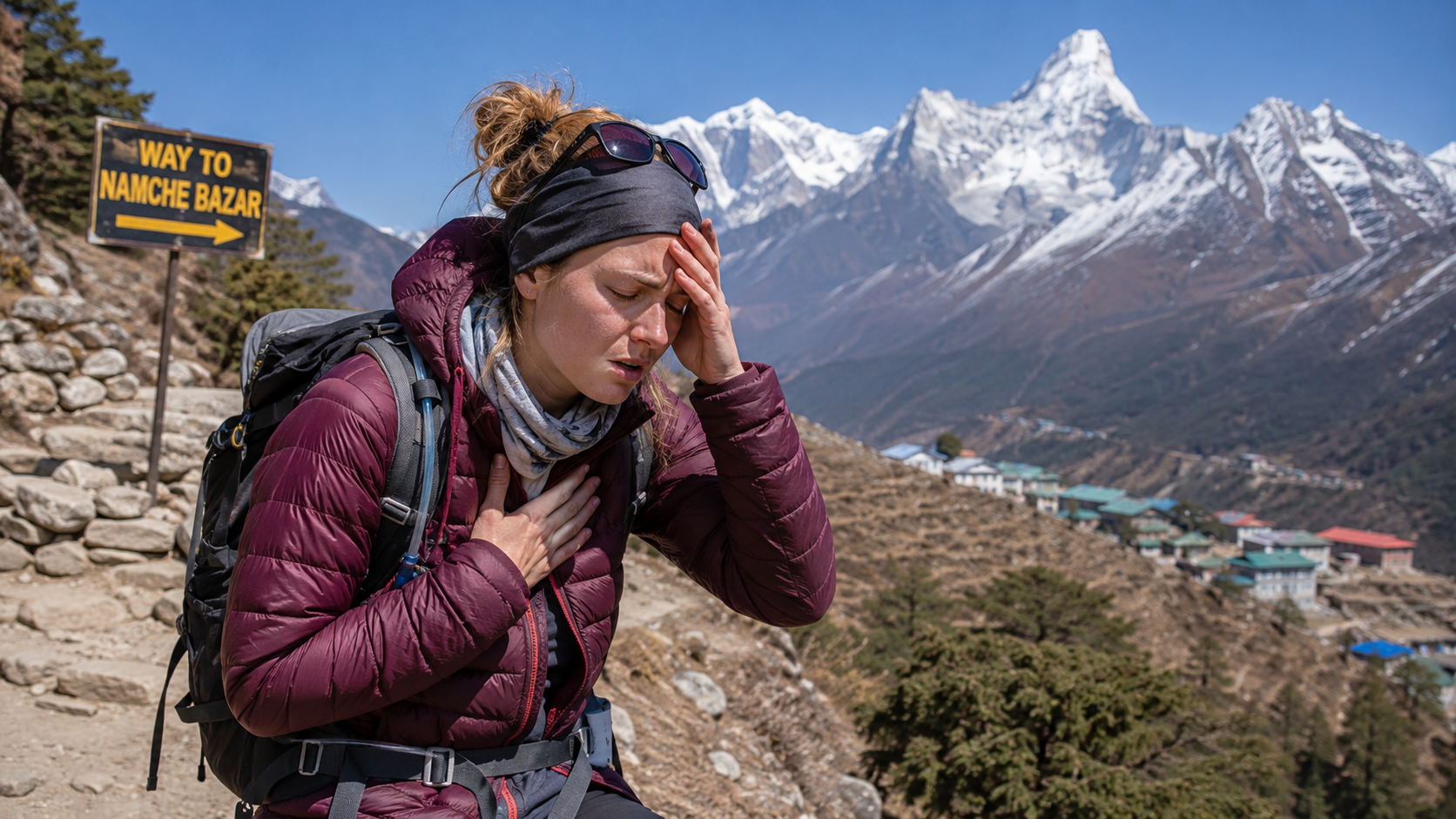
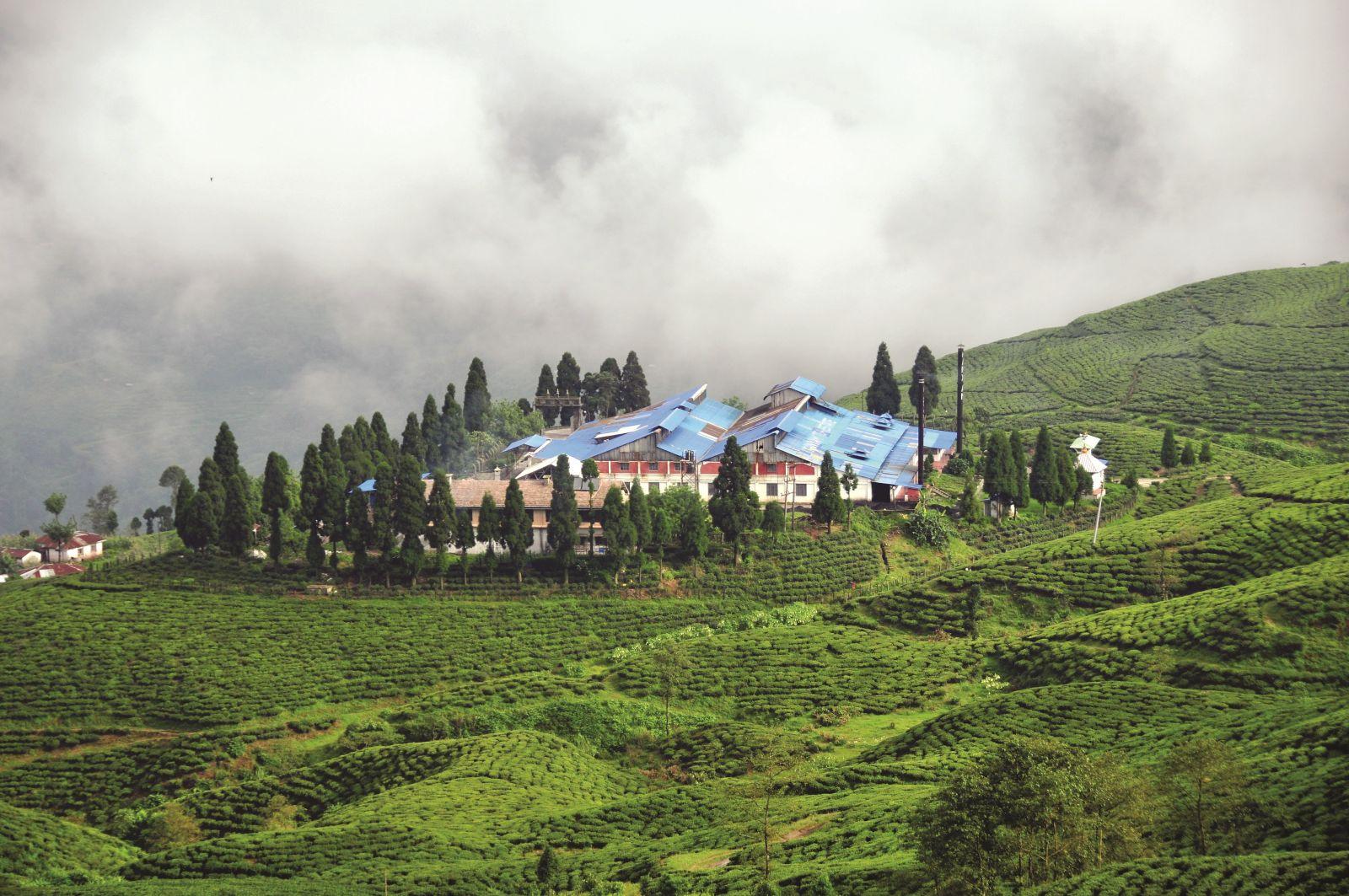
Is Trekking in Nepal Safe During the Monsoon?

“Monsoon is the worst time to trek in Nepal.”
It’s a belief shared by many travelers—but like most travel myths, it only tells part of the story.
Every year, as Nepal’s monsoon clouds roll across the Himalayas, countless trekkers postpone their adventure. They assume the trails become too dangerous, the mountains disappear behind thick clouds, and the experience simply isn’t worth it. While these concerns aren’t entirely unfounded, they don’t tell the whole story.
While it’s true that monsoon brings heavy rain to many parts of Nepal, it doesn’t mean trekking becomes impossible—or even unsafe. In fact, some of Nepal’s most spectacular trekking destinations experience very little rainfall during this season, offering peaceful trails, dramatic landscapes, and a unique perspective of the Himalayas that few travelers get to experience.
So, is trekking in Nepal safe during the monsoon?
The answer is yes—if you choose the right destination, prepare properly, and understand what trekking during this season involves.
In this guide, we’ll separate myths from reality, discuss the challenges and rewards of monsoon trekking, and help you decide whether it’s the right adventure for you.
Understanding Nepal’s Monsoon Season

Nepal’s monsoon usually begins in mid-June and lasts until early September. Moisture carried from the Bay of Bengal brings rainfall across much of the country, especially the central hills and southern regions.
However, Nepal’s geography is incredibly diverse.
The towering Himalayan ranges create what’s known as a rain shadow. Areas north of these mountains receive significantly less rainfall, making them excellent trekking destinations even during the wettest months.
This is why one trekker might spend the day walking through lush forests in the rain while another enjoys dry trails beneath blue skies—all in the same week.
Understanding this difference is the key to planning a safe monsoon trek.
So, Is Trekking in Nepal Safe During the Monsoon?
Yes—but safety depends more on where you trek than when you trek.
Choosing an appropriate trekking route, monitoring weather conditions, and traveling with experienced guides greatly reduces the risks associated with monsoon trekking.
Many trekking companies continue operating throughout the rainy season, particularly in rain-shadow regions where conditions remain favorable.
Instead of asking “Is monsoon trekking safe?” a better question is:
“Which trekking routes are safe during the monsoon?”

Common Myths About Monsoon Trekking
Myth 1: Every Trek Receives Heavy Rain
Reality: Nepal doesn’t experience uniform rainfall.
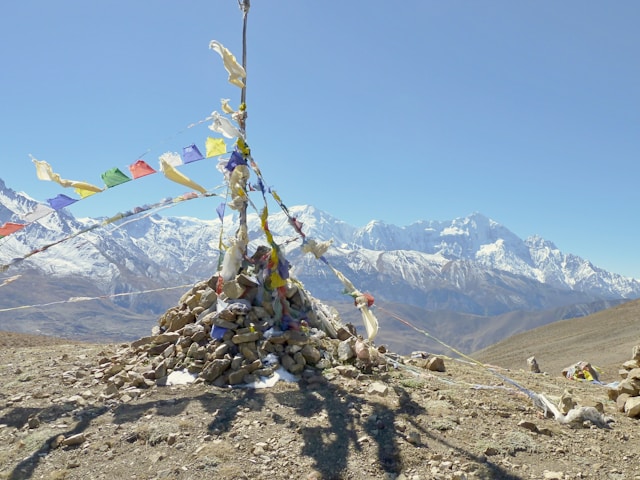
Regions such as Upper Mustang, Upper Dolpo, and Nar Phu Valley receive far less rain than Everest, Annapurna, or Langtang because they lie within the Himalayan rain shadow.
Myth 2: You Won’t See Any Mountains
Clouds are common, especially in the afternoon.
However, mornings often begin with surprisingly clear skies, rewarding early hikers with spectacular Himalayan views before clouds gradually build throughout the day.
Myth 3: Trekking Is Too Dangerous
Rain certainly increases certain risks.
However, experienced guides constantly monitor weather forecasts, trail conditions, and local information, adjusting itineraries whenever necessary.
Good planning—not luck—is what makes monsoon trekking safe.
Challenges of Trekking During the Monsoon
Like every trekking season, monsoon has its own challenges. Knowing them in advance helps you prepare properly.
Slippery Trails
Stone staircases, forest paths, and muddy sections become more slippery after rain. A pair of quality trekking boots with excellent grip, combined with trekking poles, greatly improves stability.
Leeches
Leeches are common in humid forests below higher elevations.
While they may be unpleasant, they are harmless and easily managed by wearing long socks, gaiters, or applying insect repellent around footwear.
Landslides and Road Conditions
Heavy rainfall occasionally causes landslides on highways leading to trekking regions.
Road travel may take longer than expected, which is why adding one or two extra days to your itinerary is always recommended during monsoon.
Flight Delays
Flights to mountain airports, particularly Lukla, may experience delays due to low visibility. Flexible travel dates help reduce unnecessary stress.
Limited Afternoon Visibility
Morning usually offers the clearest weather. Planning your hiking day early increases the chances of enjoying mountain panoramas before clouds move in.
Why Many Experienced Trekkers Love the Monsoon
Although autumn remains Nepal’s busiest trekking season, many experienced hikers purposely choose the monsoon. Here’s why.
A Different Side of the Himalayas
Most people associate Nepal with snow-capped peaks and crystal-clear skies. During the monsoon, however, the mountains reveal a different kind of beauty. Hillsides glow emerald green, waterfalls thunder down rocky cliffs, rivers surge with fresh snowmelt and rain, and clouds weave through forests, creating landscapes that feel almost cinematic\
Waterfalls Reach Their Peak
Seasonal waterfalls appear almost everywhere. Rivers become more powerful, creating dramatic scenery that’s impossible to experience during the dry months.
Peaceful Trails
Popular trekking routes that are crowded during October become noticeably quieter. You’ll often enjoy tea houses, viewpoints, and trails without the usual crowds.
Better Photography
Clouds drifting through valleys, mist-covered forests, and rain-washed landscapes create a completely different mood compared to clear autumn skies.
For many photographers, this atmosphere is far more interesting.

A More Authentic Experience
With fewer trekkers around, you’ll have more opportunities to connect with local communities and experience mountain villages at a slower pace.
Choosing the Right Trek During the Monsoon
One of the biggest mistakes trekkers make is assuming that every trekking route in Nepal experiences the same weather during the rainy season. In reality, Nepal’s diverse geography creates very different conditions from one region to another.
During the monsoon, it’s generally best to choose routes in the Himalayan rain-shadow regions, where the towering mountains block much of the seasonal rainfall. These areas remain relatively dry, making them some of the safest and most enjoyable places to trek between June and early September.
On the other hand, trails that pass through dense forests and lower hills often receive heavy rainfall. While these treks are still possible, hikers should expect muddy paths, slippery stone steps, occasional leeches, and a higher chance of weather-related delays.
If you’re planning a monsoon adventure, these are the routes we recommend most:
Upper Mustang Trek
Often called Nepal’s best monsoon trek, Upper Mustang lies north of the Annapurna range in the Himalayan rain shadow. Instead of lush green forests, you’ll walk through dramatic desert landscapes, colorful cliffs, ancient cave monasteries, and traditional Tibetan villages. With minimal rainfall and comfortable trekking conditions, it’s the top choice for trekkers during July and August.
Upper Dolpo Trek
Remote, rugged, and culturally rich, Upper Dolpo is another excellent destination during the monsoon. Its isolated location means fewer visitors and relatively dry weather, making it ideal for experienced trekkers seeking wilderness and authentic Himalayan culture.
Nar Phu Valley Trek
Hidden between the Annapurna and Manaslu regions, Nar Phu Valley receives considerably less rainfall than many nearby trekking routes. The trek combines medieval villages, Buddhist monasteries, high mountain passes, and spectacular alpine scenery, offering a quieter alternative to Nepal’s more popular trails.
What About Everest, Annapurna, and Langtang?
Many trekkers still choose iconic routes such as Everest Base Camp, Annapurna Base Camp, Mardi Himal, and Langtang Valley during the monsoon. These adventures are certainly possible, but they require extra preparation and flexibility.
Expect wetter trails, occasional flight or road delays, and fewer days with uninterrupted mountain views. If you’re trekking in these regions during the rainy season, hiring an experienced local guide and allowing extra time in your itinerary are highly recommended for a safer and more enjoyable experience.
When Should You Avoid Trekking During the Monsoon?
While monsoon trekking can be rewarding, there are times when postponing your hike is the safest decision. Avoid trekking if:
- Heavy rainfall warnings have been issued.
- Landslides have blocked roads or trails.
- Rivers are flooding or bridges are unsafe.
- Your itinerary doesn’t allow extra buffer days for delays.
- You’re attempting a remote trek without an experienced guide.
The mountains will always be there. Waiting a day—or even a season—is sometimes the smartest choice.
Is Monsoon Trekking Right for You?
Monsoon trekking is ideal if you:
- Prefer quiet trails over busy trekking seasons.
- Love lush landscapes and dramatic scenery.
- Enjoy photography.
- Can keep your itinerary flexible.
- Don’t mind occasional rain.
You may want to choose autumn instead if:
- It’s your first Himalayan trek.
- Your schedule is very tight.
- Seeing crystal-clear mountain views every day is your top priority.
- You dislike walking in wet conditions.
So, is trekking in Nepal safe during the monsoon?
Yes—but success depends on making informed decisions.
Monsoon isn’t simply a season of rain. It’s a season of contrasts. While some trails become muddy and challenging, others remain dry, peaceful, and incredibly rewarding. The key is understanding Nepal’s geography, choosing the right trekking route, packing appropriately, and remaining flexible with your plans.
If you’re looking for empty trails, vibrant green landscapes, dramatic cloud formations, and a quieter Himalayan experience, monsoon might surprise you. It’s a season that rewards travelers who are prepared to embrace nature in all its forms rather than expecting perfect blue skies every day.
At The Majestic Adventure, our local guides monitor trail conditions throughout the season and recommend routes based on real-time weather and safety. Whether you’re dreaming of the dry landscapes of Upper Mustang or planning your first Himalayan trek, we’re here to help you choose the safest and most rewarding adventure.
Because the best trekking experiences aren’t defined by the season—they’re defined by the journey.
FAQs
Do I need a guide for trekking during the monsoon?
While some trekking routes can be completed independently, hiring a licensed local guide is strongly recommended during the monsoon. Guides stay informed about weather conditions, trail closures, and alternative routes, making your trek safer and more enjoyable.
How much rain should I expect during Nepal’s monsoon season?
Rainfall varies significantly across Nepal. Regions such as Annapurna, Langtang, and Everest receive frequent rain, while rain-shadow areas like Upper Mustang and Upper Dolpo remain much drier throughout the season.
What happens if bad weather affects my trek?
Mountain weather can change quickly. Flights may be delayed, roads temporarily blocked, or itineraries adjusted. Keeping one or two buffer days in your schedule allows flexibility without disrupting your overall travel plans.
Are permits different during the monsoon?
No. Trekking permits remain the same throughout the year. However, some restricted areas, such as Upper Mustang and Upper Dolpo, require special permits regardless of the season.
Can I combine trekking with sightseeing during the monsoon?
Absolutely. Many trekkers combine shorter treks with sightseeing in Kathmandu or Pokhara. This provides flexibility if weather affects your trekking schedule and allows you to experience Nepal’s cultural attractions alongside its mountains.
Does monsoon affect wildlife and nature?
Yes. The rainy season transforms Nepal’s landscapes with lush forests, blooming wildflowers, active waterfalls, and increased birdlife. It’s one of the best times for nature lovers and photographers who enjoy vibrant scenery.
How do I choose the right monsoon trek?
Your ideal trek depends on your fitness level, trekking experience, available time, and what you hope to experience. If you’re unsure, consulting an experienced local trekking company can help you choose a route that matches both the season and your expectations.