Altitude Sickness in Nepal: 10 Essential Prevention, Symptoms & Treatment Tips
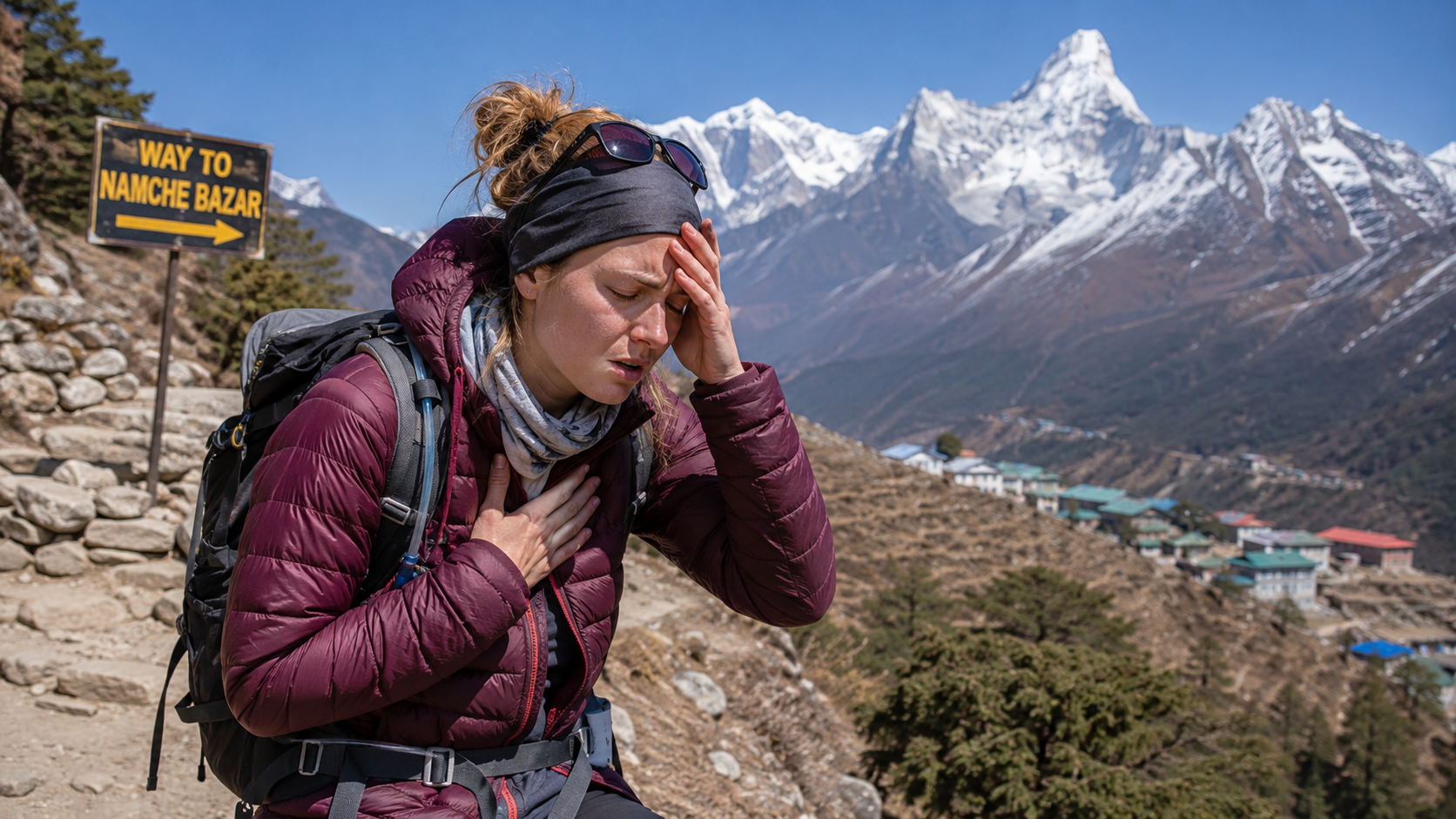
Planning a trek in Nepal is an exciting adventure, whether you’re heading to Everest Base Camp, Annapurna Base Camp, Manaslu Circuit, or Langtang Valley. However, one of the most important challenges trekkers face in the Himalayas is Altitude Sickness in Nepal. Understanding the symptoms, prevention methods, and treatment options can help ensure a safe and enjoyable trekking experience.
In this comprehensive guide, you’ll learn everything you need to know about altitude sickness in Nepal, including how to recognize warning signs, acclimatize properly, and stay safe while trekking at high elevations.
What Is Altitude Sickness in Nepal?
Altitude sickness, also known as Acute Mountain Sickness (AMS), occurs when your body struggles to adapt to lower oxygen levels at higher elevations. As you ascend into the Himalayas, the air becomes thinner, making it harder for your body to absorb oxygen.
Most cases of Altitude Sickness in Nepal occur above 2,500 meters (8,200 feet), which means many popular trekking routes carry some degree of risk.
Popular trekking elevations include:
- Everest Base Camp – 5,364m
- Annapurna Circuit (Thorong La Pass) – 5,416m
- Manaslu Circuit (Larkya La Pass) – 5,106m
- Gokyo Ri – 5,357m
- Langtang Valley (Tserko Ri) – 4,984m
Why Is Altitude Sickness Common in Nepal?
Nepal is home to eight of the world’s fourteen highest mountains, including Mount Everest. Many trekking routes involve significant altitude gain within a relatively short period.
When ascending too quickly, your body may not have enough time to acclimatize, increasing the likelihood of developing Altitude Sickness in Nepal.
Factors that increase risk include:
- Rapid ascent
- Poor acclimatization
- Dehydration
- Overexertion
- Alcohol consumption
- Previous history of AMS
Common Symptoms of Altitude Sickness in Nepal
Symptoms can develop within 6 to 24 hours after reaching a higher altitude.
Mild Symptoms
These are the most common early warning signs:
- Headache
- Dizziness
- Fatigue
- Nausea
- Loss of appetite
- Difficulty sleeping
- Shortness of breath during activity
Moderate Symptoms
If symptoms worsen, trekkers may experience:
- Persistent headache
- Vomiting
- Severe fatigue
- Difficulty walking normally
- Increased breathlessness
At this stage, further ascent should stop immediately.
Severe Symptoms
Severe altitude illness can become life-threatening if ignored.
High Altitude Cerebral Edema (HACE)
Symptoms include:
- Confusion
- Poor coordination
- Difficulty walking
- Slurred speech
- Hallucinations
High Altitude Pulmonary Edema (HAPE)
Symptoms include:
- Extreme shortness of breath
- Persistent cough
- Chest tightness
- Blue lips or fingernails
- Pink frothy sputum
Both HACE and HAPE require immediate descent and emergency medical attention.
How to Prevent Altitude Sickness in Nepal
Before embarking on a trek in the Himalayas, it’s important to understand the risks associated with high altitude. According to guidance from the Nepal Tourism Board, proper preparation and acclimatization are essential for a safe trekking experience in Nepal.
The good news is that most cases of Altitude Sickness in Nepal can be prevented through proper planning and acclimatization.
1. Ascend Slowly
The most effective prevention strategy is gradual ascent.
Above 3,000 meters:
- Do not increase sleeping altitude by more than 500 meters per day.
- Include acclimatization days in your itinerary.
2. Stay Hydrated
Drink at least 3–4 liters of water daily while trekking.
Proper hydration helps your body adjust to altitude more effectively.
3. Follow Proper Acclimatization
Many successful trekking itineraries include acclimatization days at:
- Namche Bazaar (Everest Region)
- Dingboche (Everest Region)
- Manang (Annapurna Region)
- Samagaon (Manaslu Region)
These rest days significantly reduce the risk of AMS.
4. Avoid Alcohol and Smoking
Alcohol and smoking can impair oxygen absorption and increase dehydration, making altitude-related symptoms worse.
5. Eat Nutritious Meals
Focus on:
- Carbohydrates
- Fruits
- Vegetables
- Soups
- High-energy snacks
Carbohydrates require less oxygen to metabolize and provide excellent trekking fuel.
6. Consider Preventive Medication
Many trekkers use Acetazolamide (Diamox) to help with acclimatization.
Always consult a healthcare professional before taking any medication.
Acclimatization Tips for Popular Nepal Treks
Everest Base Camp Trek
Key acclimatization stops:
- Namche Bazaar (3,440m)
- Dingboche (4,410m)
Annapurna Circuit Trek
Key acclimatization stop:
- Manang (3,540m)
Manaslu Circuit Trek
Key acclimatization stop:
- Samagaon (3,530m)
Following a properly designed itinerary is one of the best ways to avoid Altitude Sickness in Nepal.
Treatment for Altitude Sickness in Nepal
If symptoms develop, take immediate action.
Stop Ascending
Do not continue climbing if symptoms appear.
Rest and Monitor
Mild symptoms may improve with rest, hydration, and acclimatization.
Inform Your Guide
Experienced trekking guides are trained to recognize early signs of AMS and can advise appropriate action.
Descend Immediately if Symptoms Worsen
Descending 500–1,000 meters is often the most effective treatment.
Seek Medical Assistance
In severe cases, treatment may include:
- Supplemental oxygen
- Acetazolamide (Diamox)
- Dexamethasone
- Emergency helicopter evacuation
Can Fitness Prevent Altitude Sickness?
One common misconception is that physically fit individuals cannot develop altitude sickness.
The truth is that Altitude Sickness in Nepal can affect anyone, regardless of:
- Age
- Gender
- Fitness level
- Trekking experience
Even experienced mountaineers can develop AMS if they ascend too quickly.
When Should You Seek Emergency Help?
Seek immediate medical attention if you experience:
- Severe breathing difficulties
- Confusion
- Loss of coordination
- Persistent vomiting
- Inability to walk properly
- Loss of consciousness
These symptoms may indicate HAPE or HACE and require urgent evacuation.
Useful Resources for High-Altitude Safety
For additional information on altitude illness and travel health, consult:
- Centers for Disease Control and Prevention (CDC)
- World Health Organization (WHO)
- International Society for Mountain Medicine
Explore Nepal’s Most Popular Treks
If you’re planning your next adventure, explore some of Nepal’s most iconic trekking routes:
- Everest Base Camp Trek
- Annapurna Base Camp Trek
- Annapurna Circuit Trek
- Manaslu Circuit Trek
- Langtang Valley Trek
Choosing a professionally guided trek with proper acclimatization days can significantly reduce the risk of altitude-related illnesses.
Altitude sickness is one of the most important safety considerations for anyone trekking in the Himalayas. Fortunately, with proper acclimatization, hydration, and awareness, most trekkers can safely enjoy Nepal’s spectacular mountain trails.
Whether you’re heading to Everest Base Camp, Annapurna Circuit, Manaslu, or Langtang, understanding Altitude Sickness in Nepal will help you trek confidently and responsibly.
At The Majestic Adventure, your safety is our top priority. Our experienced local guides follow carefully planned itineraries with proper acclimatization schedules to ensure you have a safe, enjoyable, and unforgettable trekking experience in Nepal.