Every River Has a Story: What Nepal’s Rivers Have Taught Me

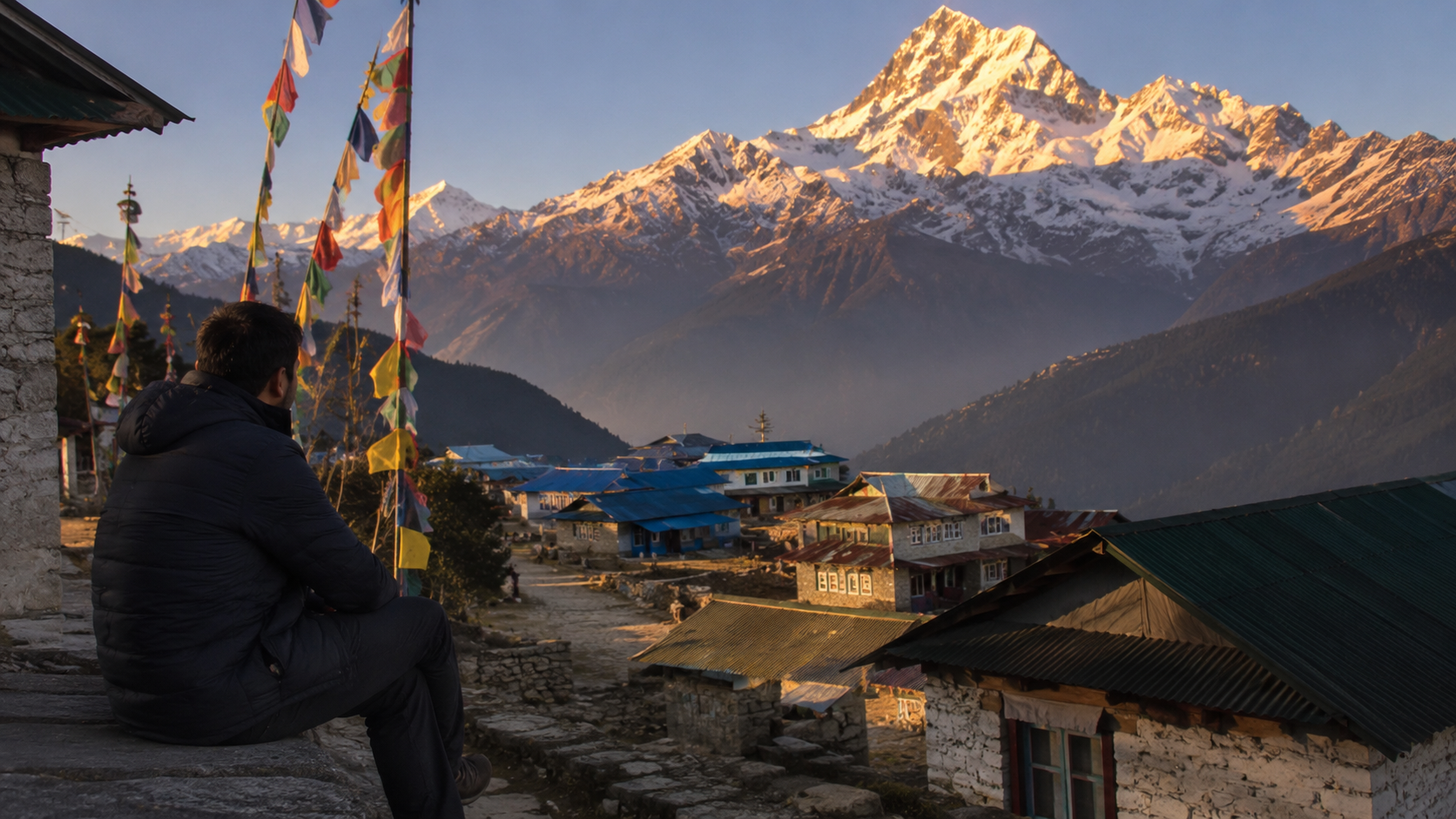
When people think of Nepal, they often imagine the towering Himalayas, colorful prayer flags fluttering in the wind, and legendary trekking trails leading to Everest Base Camp or Annapurna. As someone who calls Nepal home, I understand why. But if you ask me what truly tells the story of Nepal, my answer is different.
It isn’t a mountain. It’s a river.
Long before roads connected remote villages, rivers shaped our lives. They carved valleys through the Himalayas, nourished fertile fields, connected communities, inspired festivals, and became part of our legends. Every journey through Nepal eventually crosses a river, and every river carries a story that has been flowing for generations.
Growing up here, rivers were never just landscapes. They were places where children learned to swim, families gathered during festivals, farmers depended on their waters, and travelers paused to admire their beauty. Even today, whenever I cross a suspension bridge high above a rushing river, I’m reminded that every current carries memories from the mountains.
Trishuli River: Where Mythology Meets Adventure
If you’ve ever traveled from Kathmandu to Pokhara or Chitwan, you’ve almost certainly followed the Trishuli River. For many visitors, it’s simply the river visible from the highway. For us, it has always meant much more.
According to Hindu tradition, the river’s name comes from Lord Shiva’s Trishul (trident). While there are different versions of the legend, the name itself reflects the deep spiritual connection many Nepalis have with the river.
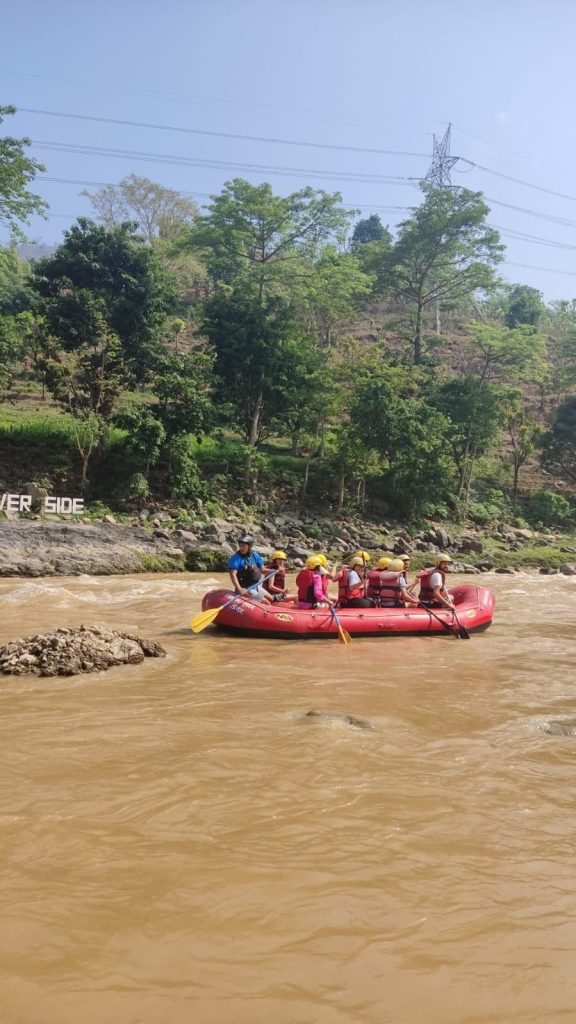
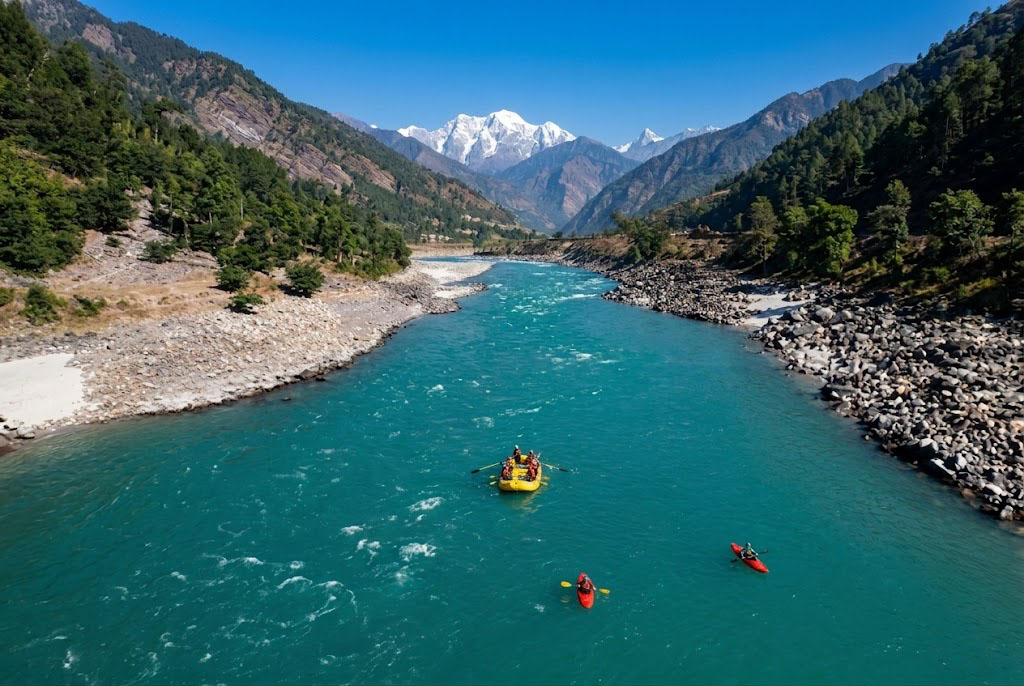
Today, the Trishuli has become Nepal’s most popular rafting destination. On weekends, you’ll see colorful rafts navigating its rapids while local fishermen quietly cast their nets nearby. It’s fascinating how one river can mean different things to different people. For some, it’s an adventure. For others, it’s a source of livelihood. For many families, it’s simply part of everyday life.
That is something I love about Nepal—our rivers are never defined by just one story.
Bagmati River: The Soul of Kathmandu
No river represents Nepal’s spiritual heart more than the Bagmati.
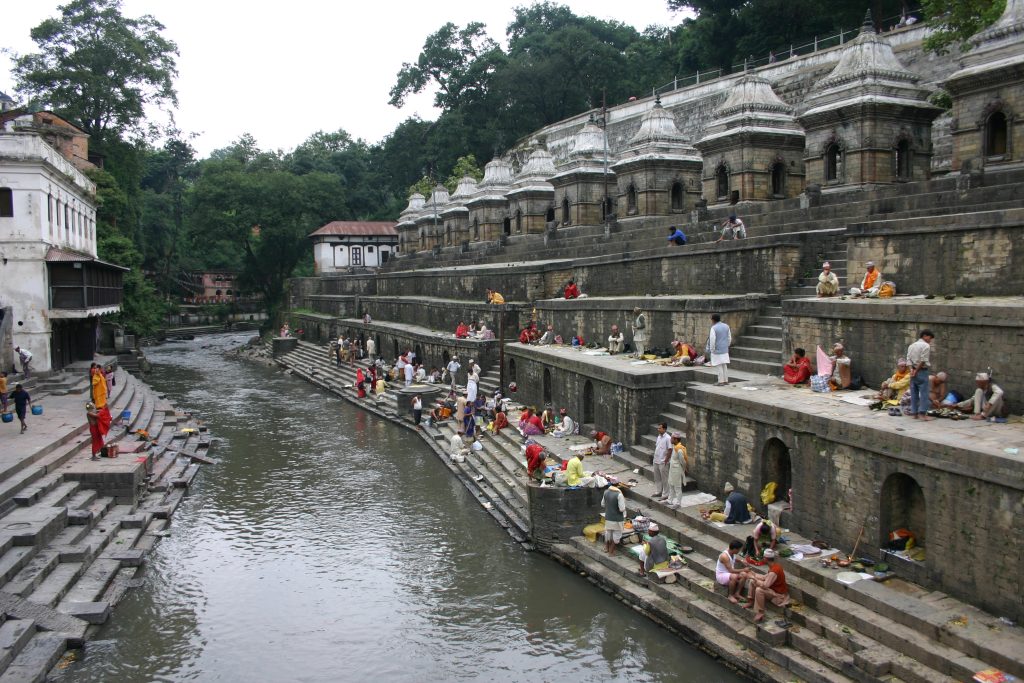
Flowing through the Kathmandu Valley, the Bagmati has witnessed centuries of history. Along its banks stands the sacred Pashupatinath Temple, where thousands of pilgrims gather throughout the year to offer prayers to Lord Shiva.
Visitors often arrive expecting only a beautiful temple. Instead, they witness something much deeper—a river that accompanies every stage of life. It welcomes newborn blessings, festival celebrations, daily prayers, and final farewells. Watching the evening Bagmati Aarati, with lamps reflected on the water and devotional songs echoing through the air, reminds you that faith in Nepal isn’t confined to temples. It flows with the river itself.
Like many rivers around the world, the Bagmati faces environmental challenges. Yet countless local organizations and communities continue working to restore its health, reminding us that caring for our rivers is also a way of preserving our heritage.
Kali Gandaki: Where Nature and Faith Flow Together
If there is one river that leaves every traveler speechless, it is the Kali Gandaki.
Flowing between the Annapurna and Dhaulagiri mountain ranges, it has carved one of the deepest gorges on Earth. Standing beside it, you feel wonderfully small.
For many pilgrims, however, the river is known not for its size but for the sacred Shaligram stones found along its banks. These ancient black fossils are revered in Hinduism as manifestations of Lord Vishnu, and pilgrims travel from across Nepal and India hoping to find one.
I’ve always found it beautiful that the same river can inspire geologists, trekkers, photographers, pilgrims, and local villagers in completely different ways.
One river.
Many meanings.
Bhote Koshi: The River That Refuses to Be Quiet
Some rivers whisper.
The Bhote Koshi roars.
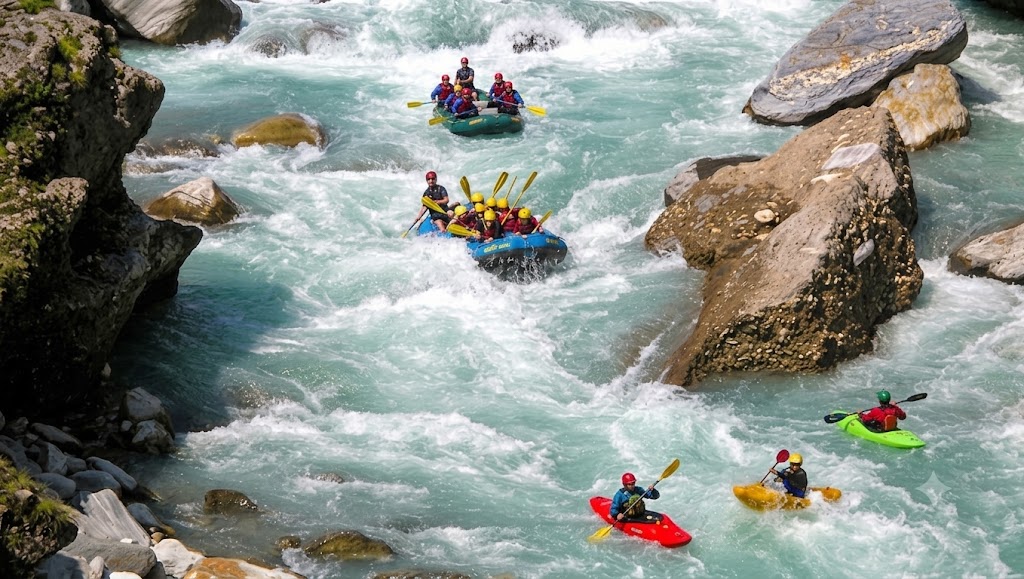
Originating in Tibet before entering Nepal, its name literally means “River from Tibet.” Fed by Himalayan snowmelt, it rushes through steep valleys with incredible energy. This is where many people discover Nepal’s adventurous side. White-water rafting, canyoning, kayaking, and one of the world’s highest bungee jumps have made the Bhote Koshi famous among thrill-seekers.
Yet when the adventure is over and the crowds leave, the river continues exactly as it always has—powerful, untamed, and indifferent to those who come seeking excitement.
Nature doesn’t perform for us.
We simply become fortunate enough to witness it.
Karnali: Nepal’s Last Great Wild River
Far to the west lies the Karnali, Nepal’s longest river and perhaps its wildest.
Unlike the busy valleys around Kathmandu or Pokhara, the Karnali flows through remote landscapes where forests remain largely untouched and wildlife still thrives. It supports fishing communities, nourishes farmland, and creates habitats for rare species, including the endangered Gangetic dolphin.
Traveling to the Karnali isn’t always easy.
Perhaps that’s exactly why it feels so special.
It reminds us that there are still places in Nepal where nature sets the pace, and people have learned to live in harmony with it.
Rivers Connect More Than Landscapes
When visitors travel across Nepal, they often remember the mountains first. We remember the rivers. They connect our villages. They provide water for our farms. They power our homes. They guide our festivals. They inspire our songs and stories. Every suspension bridge, every riverside tea shop, every prayer offered beside flowing water becomes another chapter in the story of Nepal.
As someone who has spent years welcoming travelers from around the world, I’ve noticed something interesting.
People arrive hoping to conquer mountains.
They leave talking about moments.
The laughter shared while crossing a swinging bridge.
The quiet sound of a river outside a teahouse.
The first glimpse of turquoise water deep inside a hidden canyon.
The peaceful feeling of sitting beside a river after a long day’s walk.
Those are the memories that stay.
More Than Water
Our rivers teach us patience.
They remind us that strength isn’t always loud, and that even the smallest mountain stream can shape valleys over time. They show us that every journey has twists, obstacles, and unexpected beauty around the next bend.
Perhaps that’s why traveling in Nepal feels different.
Here, the destination is important—but the journey is where the real stories are found.
At The Majestic Adventure, we believe every traveler deserves to experience this side of Nepal. Whether you’re trekking through the Himalayas, rafting on the Trishuli, canyoning beneath hidden waterfalls, or simply enjoying a quiet moment beside a mountain stream, you’ll discover that Nepal’s greatest stories aren’t only found on its highest peaks.
Sometimes, they’re flowing quietly beneath the bridge you’re standing on.
The next time you visit Nepal, don’t just look up at the mountains. Take a moment to listen to the rivers.
You might discover that every river has a story—and before your journey ends, it may become part of yours.